May 20, 2026
The way projects are understood has evolved rapidly. Where site knowledge was once built through time-intensive surveys and limited viewpoints, new technologies are offering faster, richer and more flexible insight. And drones are now a key part of that shift. Used correctly, they provide a level of access and visibility that was previously difficult to achieve. From early-stage assessment through to ongoing monitoring and even post-completion storytelling, drones are helping teams see more, understand more and communicate more effectively.
A New Perspective on Existing Conditions
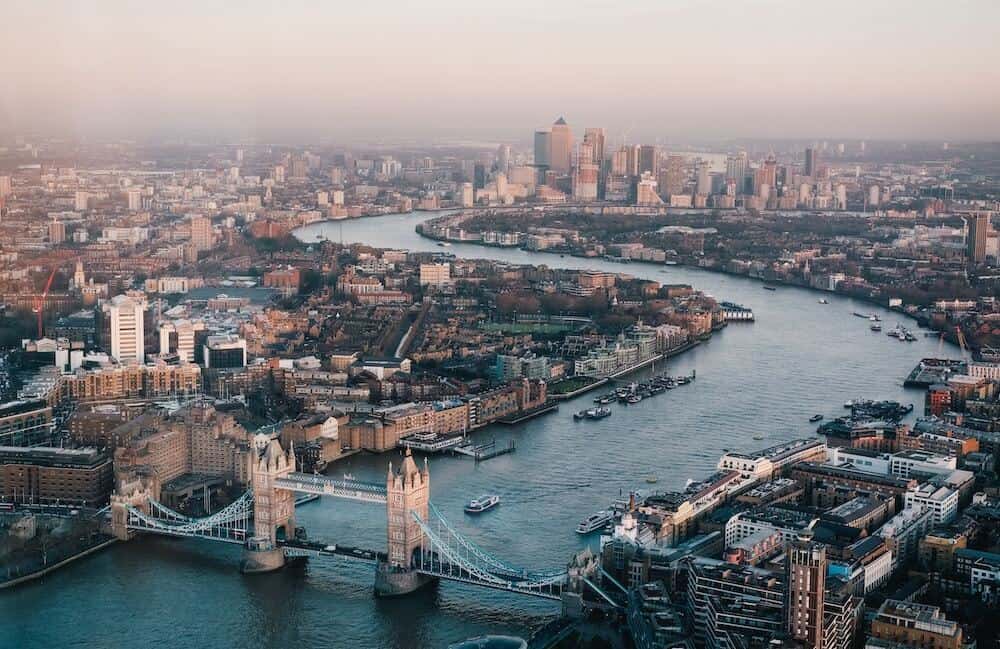
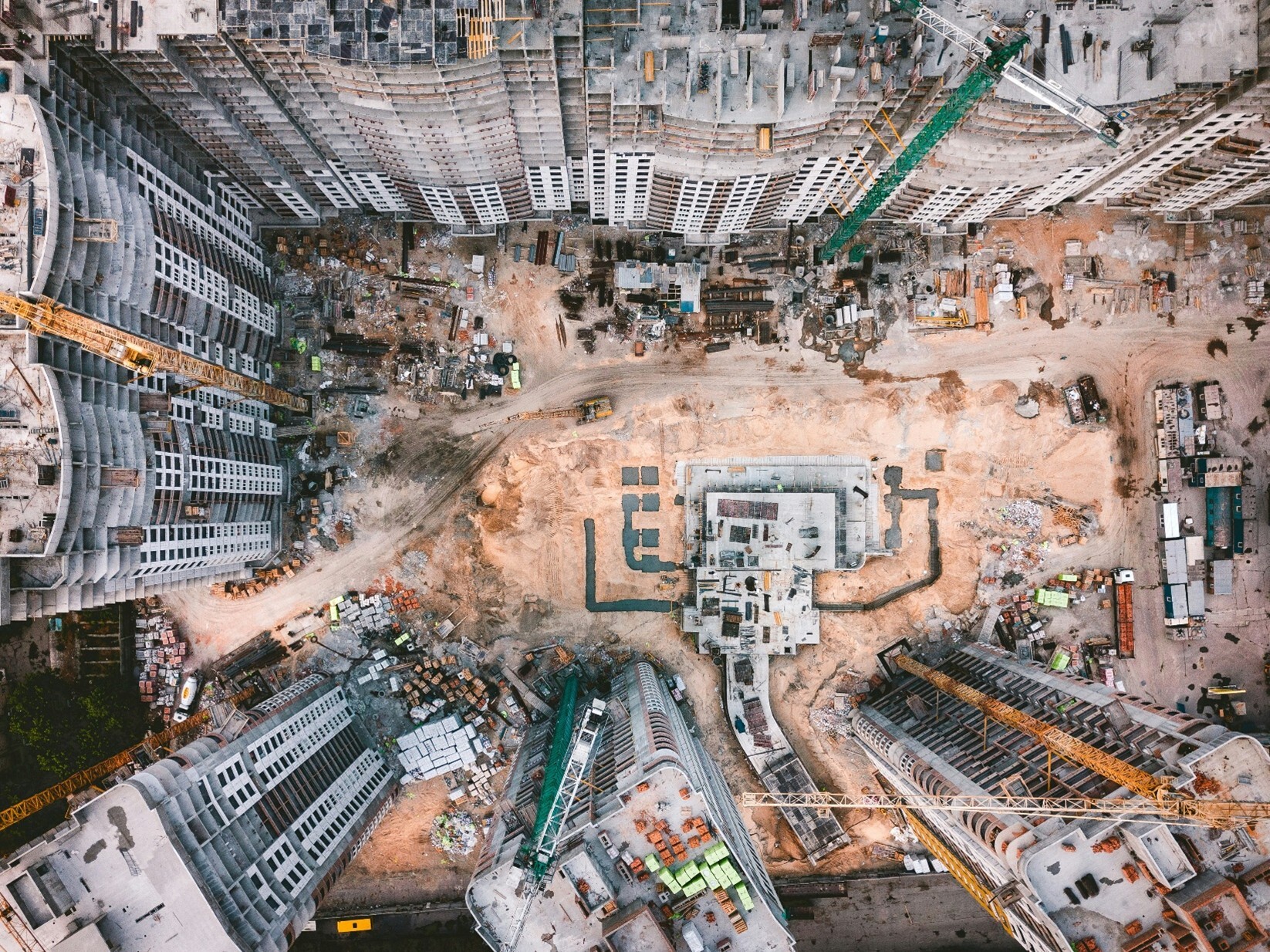
One of the most valuable contributions of drones is their ability to capture a site from above. This perspective reveals relationships that are not always visible from ground level. Roof conditions, access points, surrounding context and site constraints can all be assessed quickly and accurately. This is particularly valuable on complex or hard-to-reach sites, where traditional methods may be limited or require additional time and resources. The result is a more complete understanding of the environment before design work begins.
Speed and Efficiency on Site
Drones can cover large areas in a short period of time. What might take days to survey manually can often be captured in hours. This efficiency allows teams to gather information quickly and keep projects moving forward. It also reduces the need for repeated site visits. Once captured, data can be reviewed and shared across teams, allowing decisions to be made without constant return to the site. This not only saves time but also supports more efficient collaboration.
Improving Safety
Drones also play an important role in improving safety. By capturing data remotely, they reduce the need for people to access difficult or potentially hazardous areas. Inspections of roofs, facades or elevated structures can be carried out without working at height. This lowers risk and supports safer working practices across the project. Safety is not only about compliance. It is about making informed decisions that protect people while maintaining efficiency.
Supporting Accuracy and Coordination
High-quality drone data can be integrated with other forms of digital information, including scanning and surveying outputs. This creates a more detailed and reliable picture of the project. Accurate visual records support better coordination between teams. Designers, engineers and contractors can all reference the same information, reducing the risk of misunderstanding. This level of clarity is especially valuable when working across multiple stakeholders or complex sites.
Supporting Design Communication and Storytelling
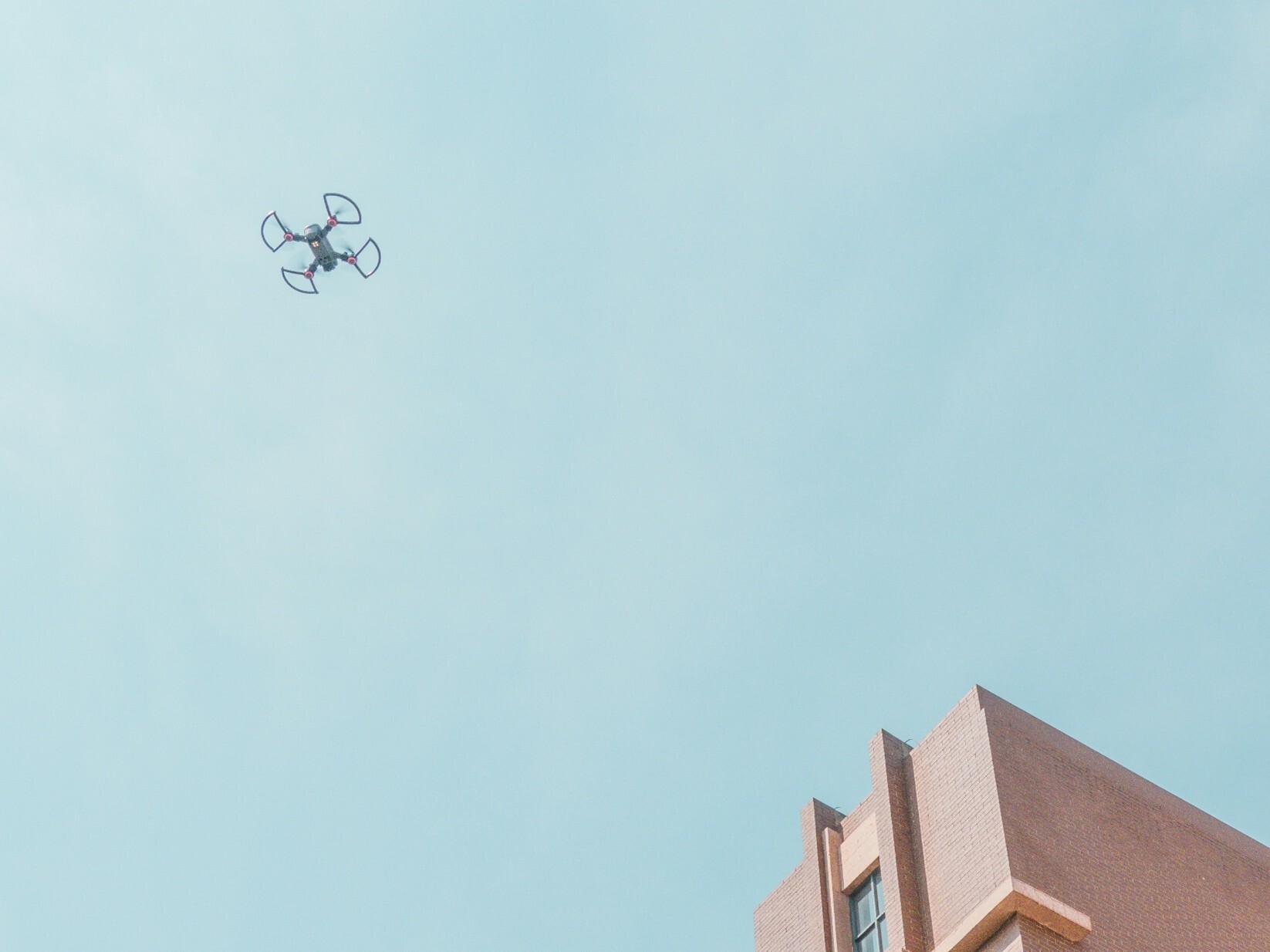
Drones are not only valuable before and during construction. They also play an important role in how projects are presented and understood once complete. Aerial footage and controlled flythroughs can capture a space in a way that traditional photography cannot. They show how a building sits within its surroundings, how people move through it and how the design is experienced at scale.
For designers and brands, this becomes a powerful communication tool. It allows the intent behind a project to be shared clearly, whether for internal review, client presentations or wider marketing. It also creates a lasting visual record of the finished space, helping to bring the design to life beyond the physical environment.
The Importance of Regulation and Responsibility
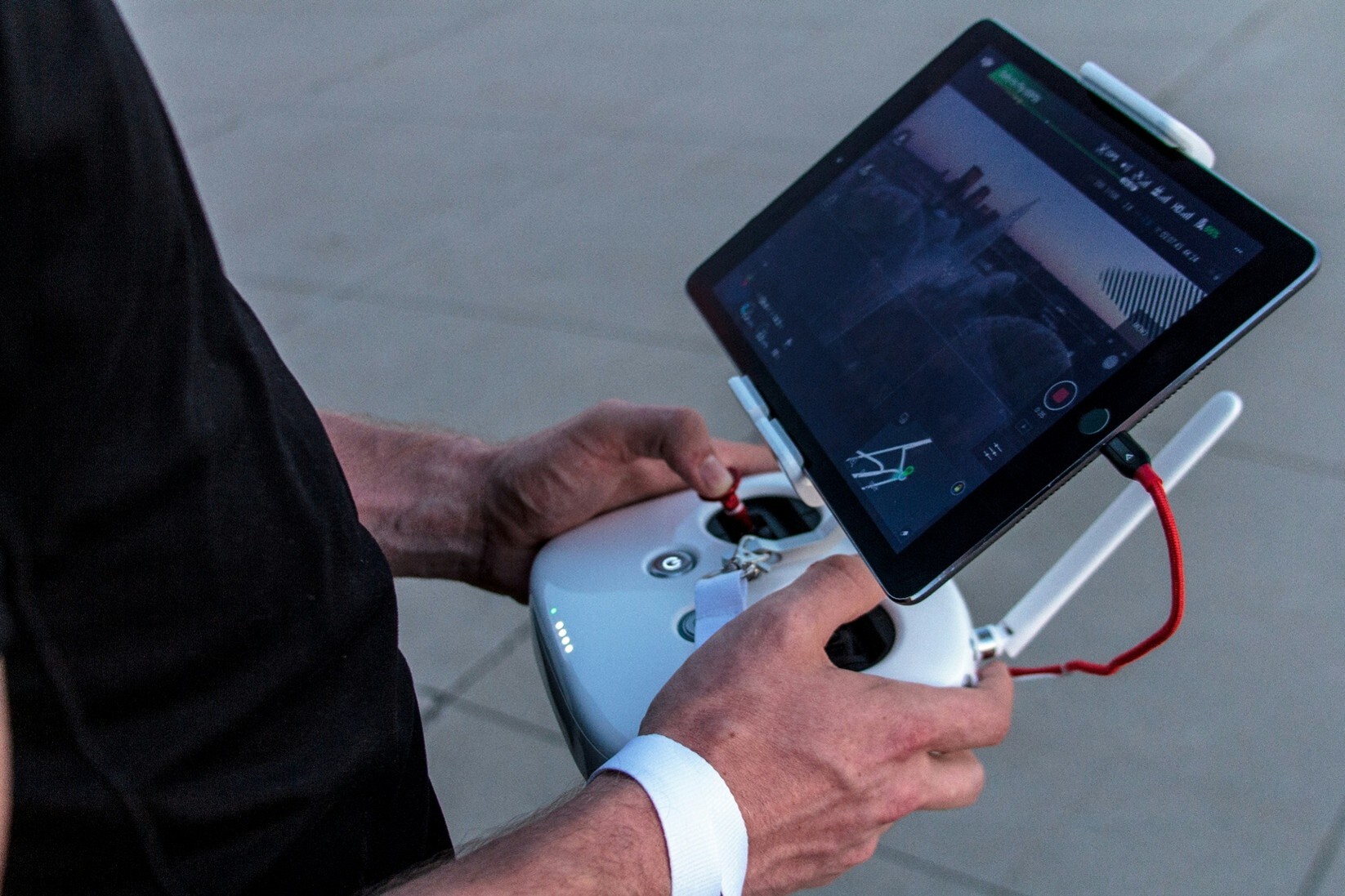
While drones offer significant benefits, their use is governed by strict regulations. Operating a drone is not simply a matter of having the equipment. It requires the correct permissions, training and understanding of legal responsibilities. Operators must hold the appropriate licences and follow aviation guidelines. This includes respecting restricted airspace, maintaining safe distances and ensuring that operations do not put people or property at risk. For clients and project teams, this makes the choice of operator critical. Working with qualified and experienced professionals ensures that drone use is both effective and compliant.
A Tool That Supports Better Decisions
Drones are not an isolated technology. Their value lies in how they contribute to a wider understanding of a project. When combined with due diligence, scanning and coordinated design processes, they provide another layer of insight that supports better decision-making. They help reduce uncertainty, improve accuracy and allow teams to respond more effectively to real-world conditions.
Conclusion
Drones are changing the way projects are seen and understood. They offer speed, clarity and access that traditional methods cannot always match. When used responsibly and in line with regulation, they become a powerful tool for improving insight, safety and communication. As projects become more complex and expectations continue to rise, technologies like drones will play an increasingly important role. Not as a replacement for expertise, but as a tool that strengthens it.